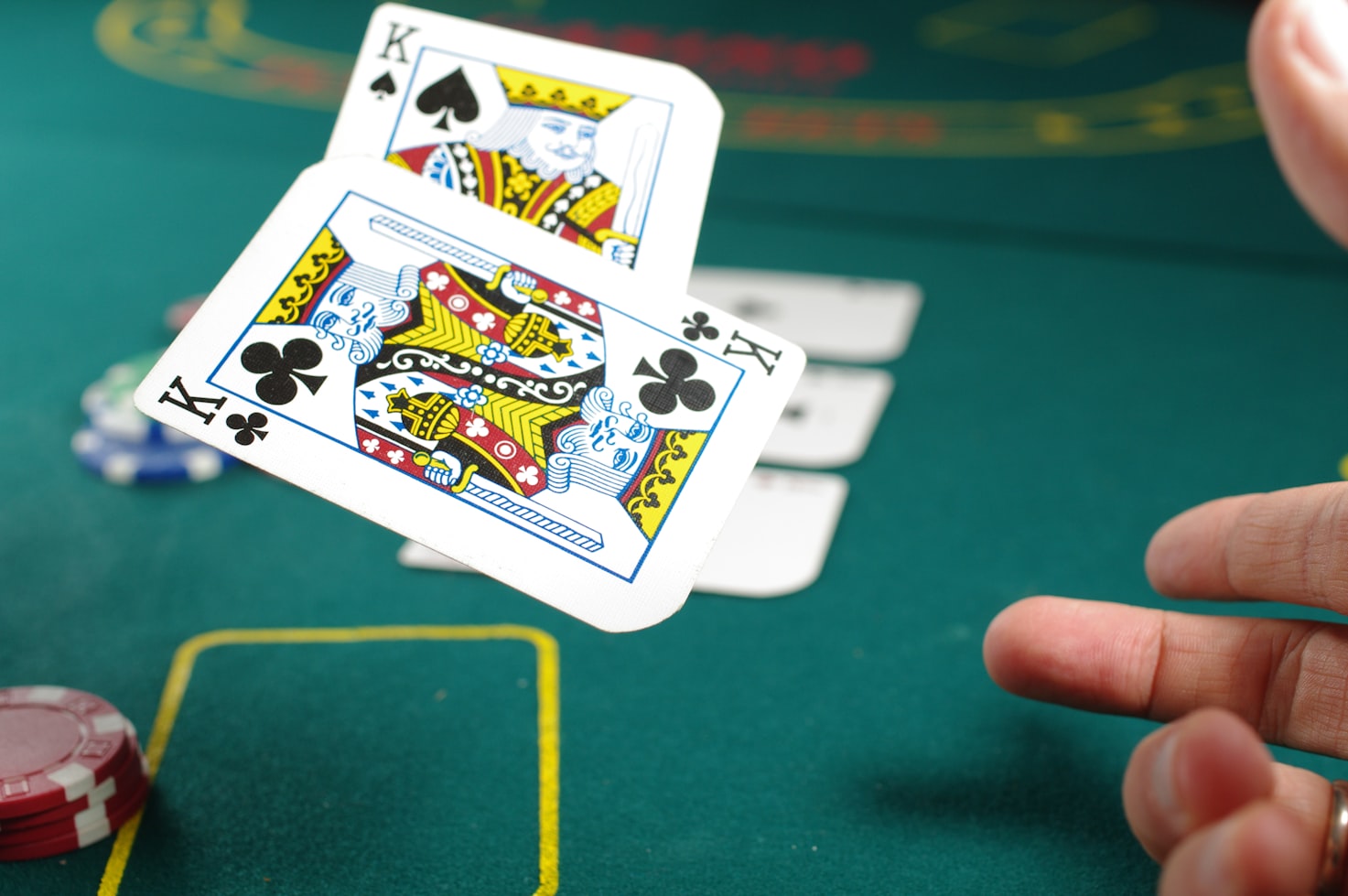
The Allure of Casino Games
The psychology of why individuals are drawn to casino games is a complex interplay of excitement, risk, and social interaction. Casino environments are purposely designed to create an alluring atmosphere, featuring bright lights, enticing sounds, and the thrill of potential wins. This sensory overload stimulates the brain's reward center, making players feel an adrenaline rush that keeps them engaged. Additionally, as players explore more options, they often come across new online casinos australia, which adds to the unpredictability and excitement of games like slot machines or roulette, as they anticipate potential victories with each spin or roll.
Beyond the sensory appeal, the concept of 'near misses' plays a crucial role in player engagement. When participants come close to winning—such as landing two out of three symbols on a slot machine—they may feel a false sense of accomplishment, compelling them to continue playing in hopes of achieving that elusive victory. This psychological effect can create a cycle of behavior that lures players back to the gaming floor, as they believe success is just around the corner.
Player Profiling and Game Selection
Different players exhibit distinct preferences in gaming choices, often influenced by their personalities and risk tolerance levels. Some individuals are thrill-seekers who gravitate toward high-stakes games, seeking the excitement of gambling big. In contrast, more cautious players may prefer low-risk games where the potential for loss is minimized. These preferences can significantly impact how players approach their gambling strategies and overall gaming experiences.
The Role of Cognitive Biases
Cognitive biases significantly shape players’ perceptions and decisions while gambling. The gambler's fallacy, for instance, leads individuals to believe that past results influence future outcomes, resulting in misguided betting strategies. Players may think they are "due" for a win after a series of losses, prompting them to increase their wagers in hopes of recouping previous losses. This cognitive distortion can lead to substantial financial losses and a distorted view of luck.